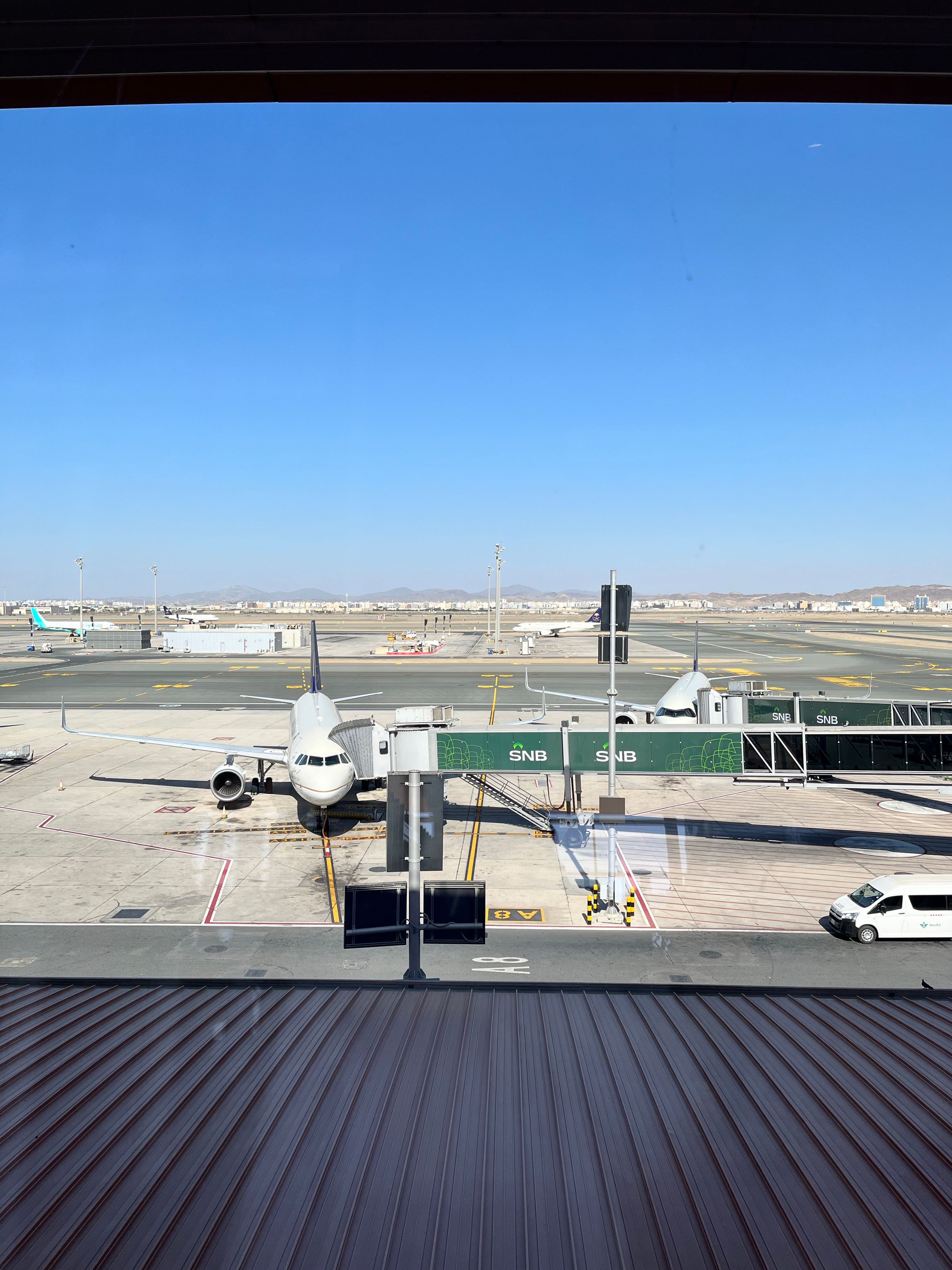
A Sunday drone strike on Riyadh’s King Khalid Airport killed one person and wounded 11 others, Saudi civil aviation authorities said, in an attack claimed by Yemen’s Iran-backed Houthis. Smoke and flames swept the Saudi capital’s main aviation hub. Among the wounded was an Indian national, whom the Indian embassy later said died of injuries sustained in the attack.
The hit on a functioning civilian airport shows how directly the conflict is now affecting critical infrastructure and the services that run through it. Foreign aviation services and embassies have warned airlines and travelers to exercise caution in Saudi Arabia as the Houthis keep targeting the kingdom’s airports. The US Federal Aviation Administration issued its own caution to US carriers flying to the kingdom, adding a layer of operational constraint for airlines serving the region.
Maritime infrastructure came under pressure the same day. The UK Maritime Trade Operations agency, UKMTO, confirmed that a tanker was struck by a drone near Oman’s Sohar port, with local authorities assisting in the evacuation of the crew. The extent of the damage and any environmental impact remain unknown. Separately, a tanker was damaged after being hit in the Strait of Hormuz, one of the world’s most important energy transit corridors.
Meanwhile, diplomatic channels have begun responding to the deteriorating operating environment. Saudi Foreign Minister Faisal bin Farhan Al-Saud and his Iranian counterpart discussed escalating regional tensions, according to the Saudi state news agency, in their first publicly reported contact since the Iran-aligned Houthis intensified their strikes against Saudi Arabia.
On another infrastructure front, Syria issued its first letter of credit for a Saudi Aramco petroleum deal, a transaction the bank said opened a channel for financing oil imports and settling payments through the formal banking system. Saudi Arabia also signed three energy memoranda of understanding with Gulf states. The steps came after Syrian President Ahmed al-Sharaa met Saudi Crown Prince Mohammed bin Salman in Riyadh on Tuesday, October 6, 2026.
Military operations continued to shape the security landscape underpinning all of this. Israel Police said they thwarted an imminent terror attack near Jerusalem. The IDF fired interceptor missiles at suspicious aerial targets in southern Lebanon, with no sirens sounded. The IDF also conducted a military operation in the Balata refugee camp, east of Nablus in the West Bank, on August 12, 2026.
The broader war context remains defined by the operations Israel and the United States launched on February 28, Roaring Lion and Epic Fury, which officials said aimed to create conditions for regime change in Iran. Ayatollah Ali Khamenei was killed in an Israeli strike on a bunker in Tehran, and Iran’s defense minister and several IRGC generals were also killed in what became the Israeli Air Force’s largest-ever aerial operation. Iran retaliated with missile attacks across the Middle East, targeting Gulf states and US military bases in the region.
The toll on people and operations has been substantial. Since February 28, ballistic missile attacks on Israel have killed 39 IDF soldiers and 23 civilians and injured at least 7,693 others. CENTCOM said 18 US soldiers were also killed. A ceasefire was announced on April 7 and took effect the following day, yet the renewed strikes on Riyadh’s airport and shipping near Oman show that the crews, airlines, and authorities who keep this infrastructure running remain exposed to ongoing risk.
Former President Donald Trump is now weighing joining the Saudis against the Houthis, a decision that could further reshape the security picture around the kingdom’s airports and shipping lanes.