Capt Smit Machchhar, the Indian pilot stabbed aboard an Israel-bound Flydubai flight, has built a career of steady accumulation in a competitive industry: more than 9,750 flying hours, and over 6,400 hours as pilot-in-command, according to his LinkedIn profile. He joined Flydubai in Dubai in 2022 as an experienced hire, after three years at Indian carrier SpiceJet.
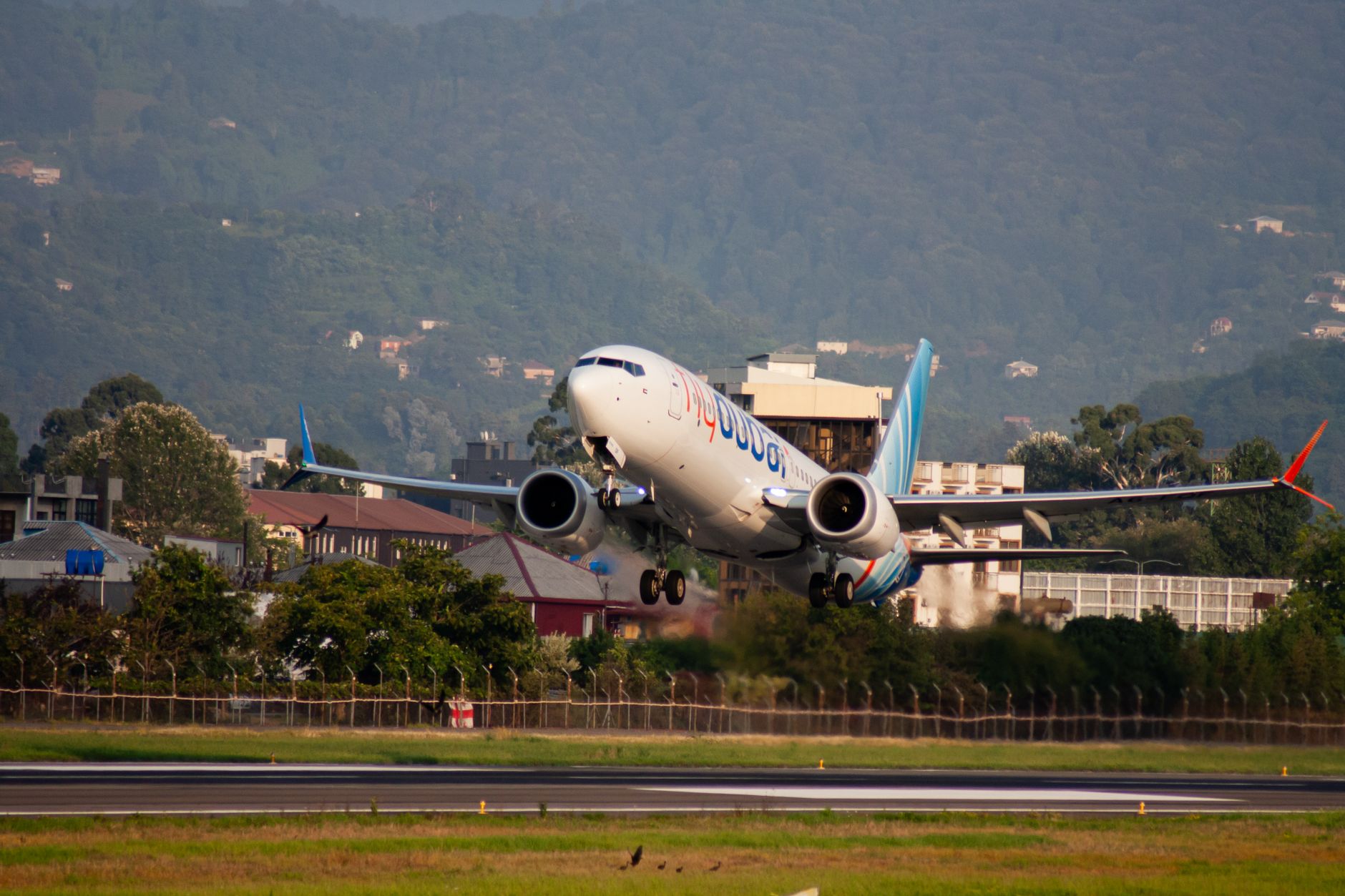
The attack unfolded on flight FZ1073, which departed Dubai International Airport at 03:05 GMT (07:05 local time) bound for Ben Gurion Airport in Israel. The aircraft carried at least 150 people, and Israeli Prime Minister Benjamin Netanyahu said “almost all” passengers were Israeli. Flightradar24 data shows the plane made a rapid descent over Saudi Arabia roughly two and a half hours after take-off, dropping more than 17,000ft (5,000m) in under two minutes at around 05:21. Minutes later it signalled an emergency code, squawk 7700, before switching to squawk 7500, which indicates a hijacking.
At 05:40, after briefly entering Jordanian airspace, the plane looped back into Saudi Arabia and began a manual descent for landing. It briefly returned to squawk 7700 before touching down at Tabuk Airport in north-western Saudi Arabia at 06:58, according to location data.
Initial local media reports, citing Israeli officials, described a fight between two pilots. Netanyahu later confirmed that one pilot had stabbed the other before “apparently trying to crash” the plane. He said an Israeli passenger told him the aircraft went into a spin and began to descend before the passenger and a crew member broke into the cockpit and overpowered the pilot who had carried out the stabbing.
Netanyahu hailed Machchhar as having “saved the lives of 174 people” and prevented “a catastrophic mid-air disaster”, calling him a “true hero” in a post on X. The Indian embassy in the United Arab Emirates said Machchhar was “in good health and recovering well” in a hospital in Tabuk. Ambassador Deepak Mittal said he was “proud of Capt Smit for his bravery” and “very reassured” to meet him. The Indian embassy in Saudi Arabia said the pilot is in a stable condition.
Machchhar grew up in Mumbai, where his parents still live, and in 2008 joined Mainland Air, an aviation college in Dunedin, New Zealand. Three years later he became a commercial pilot with SpiceJet.
His training background drew praise from former employers. Mainland Air CEO Philip Kean told the BBC he remembered Machchhar as a man who would remain calm in a crisis. “We trained him for forced landing - not this kind of situation, which is very, very rare,” Kean said, adding that despite the long gap, “he came across as a good and honest worker.” SpiceJet issued a statement calling him a “hero” who had saved “countless lives”.
Capt Dharav Gosalia, a former SpiceJet colleague, described him as outgoing and “very jovial”, a “disciplined flier” who had undergone years of training, including from former Indian Air Force pilots who had moved into commercial aviation.
Meanwhile, a podcast appearance last year has offered a window into his professional outlook. Speaking on Bona-Fide Banter, Machchhar said aviation was “never a childhood dream”: at around 19 he joined a management course, planning to work for his family’s business, until an aviation seminar came along and “the bug bit [him]”. He described himself as “no-nonsense” in uniform, thinking “about work 100%”, and credited senior pilots with teaching him how to face stressful situations. At the time, he said no plane he had flown had needed an emergency landing, though he had handled medical emergencies and minor technical issues causing delays. “As long as you’re walking out of the aircraft [safely], that’s what I want,” he said.
Praise has also come from political leaders. Indian Prime Minister Narendra Modi said Machchhar “showed immense courage and an unwavering resolve to protect the lives of others” despite being seriously injured, adding that “his valour helped save hundreds of lives and avert a great tragedy”. Foreign Minister S Jaishankar praised his “extraordinary courage and remarkable presence of mind, even in the face of grave danger”. US President Donald Trump told reporters at the White House that “the pilot was in very bad shape” but had the sense to open the cockpit door during the attack. “Amazing, in a way he was a hero, to open the door. He was able to fall back and get the door open.”
Indian social media has been awash with praise since his identity emerged, and snippets from the podcast have gone viral. What remains unclear is how the airline and regulators will respond to the security breach that let a cockpit attack unfold mid-flight.