Six Months In, Gulf War Damage Puts Energy Infrastructure at Center Stage
Strikes on LNG terminals, storage hubs and power assets expose gaps in Gulf protection arrangements
Ras Laffan’s export terminals took a direct hit in March: a ballistic missile strike that knocked out roughly 17 percent of Qatar’s liquefied natural gas export capacity, an estimated $20 billion in lost annual revenue. That single number frames the real story of the Gulf war so far. Six months into the Iran conflict, the infrastructure meant to keep Gulf economies running has become the actual battlefield, and the security arrangements built to protect it are visibly straining.
The operational record backs this up point by point. Iran hit Ras Laffan in retaliation for an Israeli strike on its South Pars offshore gas facility. In early May, Iranian forces struck the UAE’s Fujairah Oil Industry Zone, the region’s largest commercial storage hub for refined oil products. Weeks later, a drone launched from Iraqi territory hit an electrical generator next to the UAE’s Barakah nuclear power plant. By mid-August, Tehran had struck two tankers linked to Abu Dhabi National Oil Co. and fired a ballistic missile into Emirati waters, prompting Abu Dhabi to suspend trade and financial dealings with Tehran. Four separate infrastructure hits, four different response postures. That inconsistency is the story.
Additional reference context is available at https://foreignpolicy.com/2026/09/25/gulf-states-iran-trump-oil-energy-hormuz/.
Facing this, the six Gulf Cooperation Council states, Bahrain, Kuwait, Oman, Qatar, Saudi Arabia and the UAE, have stacked overlapping delivery strategies rather than picking one. They keep working with Washington on military defense. They diversify regional security partnerships. They negotiate directly with Tehran when the infrastructure math demands it. What looks like duplicity from outside is, operationally, risk management by states running critical energy and industrial assets in a live conflict zone.
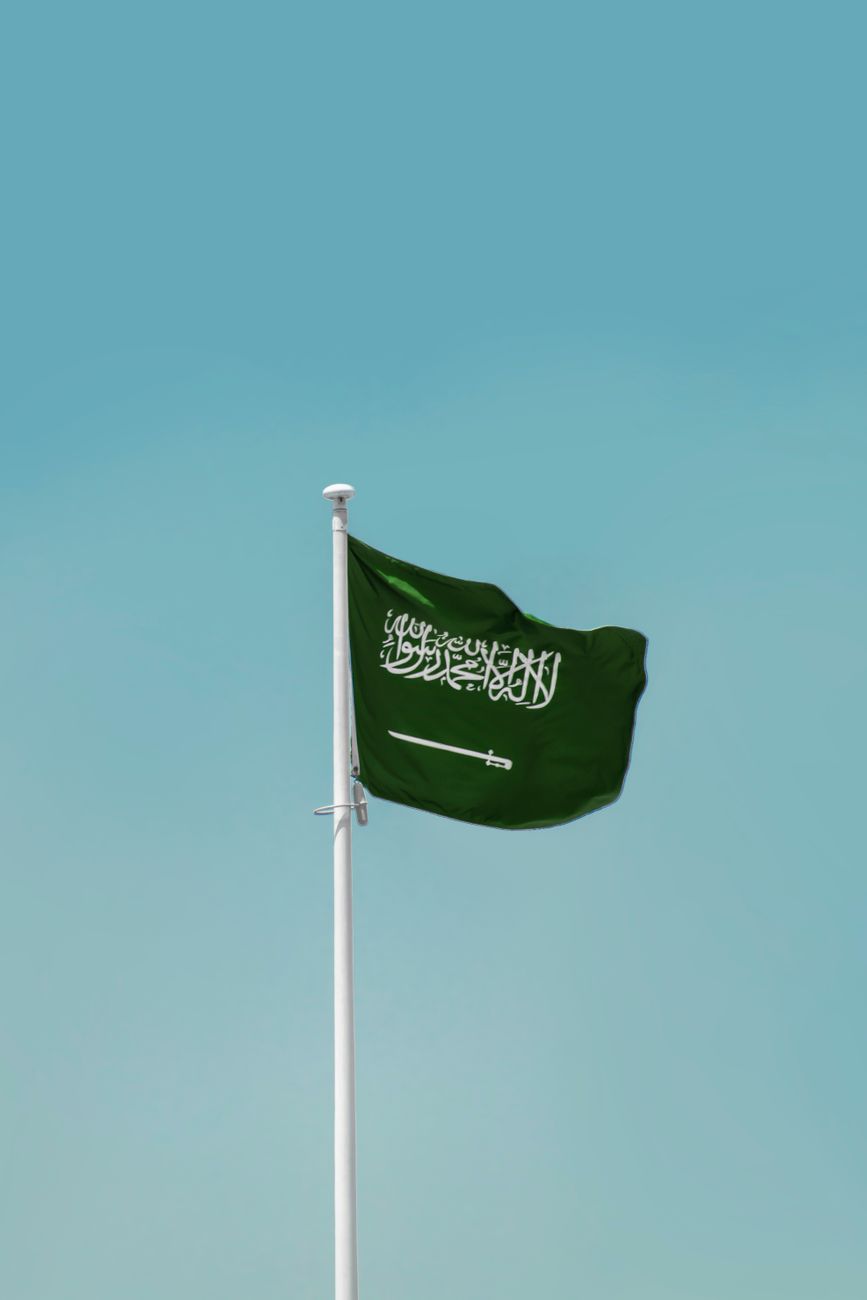
Saudi Arabia shows the pattern most clearly. Before the war, Riyadh wanted a formal NATO-style mutual defense treaty, plus advanced weapons, intelligence-sharing and basing arrangements. The November 2025 Strategic Defense Agreement gave it a weaker pact but secured approval for F-35 fighter jets, a partial win that still signaled its top-tier standing with Washington. Once fighting started, Riyadh mostly shared intelligence and joined a late-July strike on Iranian-backed militias in Iraq. It also hedged hard: Pakistan deployed 8,000 troops and a fighter jet squadron to the kingdom by May; in July, as Houthi attacks in the Red Sea escalated, Riyadh launched a 13-member Multinational Maritime Defense Alliance to protect that waterway; and in August it folded Turkey into its Pakistan alliance through the Mecca Joint Defense Agreement, complete with a collective security clause and a permanent secretariat in Riyadh.
Riyadh also repeatedly pulled the brakes on U.S. operations. In May, when the Trump administration tried to force open the Strait of Hormuz under Operation Project Freedom, Saudi Arabia refused use of its bases and airspace, reportedly forcing the operation’s cancellation. Weeks later, Crown Prince Mohammed bin Salman, joined by Qatar’s and the UAE’s leaders, asked Trump to hold off further strikes, warning that Gulf states would absorb the fallout. In early August, after Trump threatened Iran with force “not seen since World War II,” GCC leaders again pushed for de-escalation, and Trump called off the strike, crediting their appeals.
Smaller states have fewer options. Oman, population 5.4 million against Iran’s 88 million, has leaned on its role as intermediary between Tehran, the GCC and Washington. Iran has likely struck Omani territory and laid mines near, possibly within, its waters, even while negotiating Strait of Hormuz management with Muscat. Trump has twice threatened to bomb Oman if its diplomacy interfered with U.S. goals.
The UAE ran a dual track: hawkish in public, quiet in back channels. It reportedly coordinated a covert air campaign with the U.S. and Israel, including an April strike on Iran’s Lavan Island refinery, and deployed an Israeli-operated Iron Dome battery on its soil. Reuters reported in June that the UAE had offered Iran up to $20 billion to halt attacks on Emirati infrastructure, a deal Abu Dhabi denies. Attacks did drop after that reported agreement, and when strikes resumed in July, Iran left Emirati territory alone until mid-August.
Qatar, home to Al Udeid Air Base, the largest U.S. air base in the region, blocked American offensive use of its airspace and reportedly offered to shut down Ras Laffan itself in exchange for Iran not striking it, an offer Doha denies making. Kuwait declared neutrality, briefly restricted U.S. base access during Operation Project Freedom, and reportedly joined Bahrain in a July strike on Iranian drone and missile facilities, though both deny involvement.
None of these approaches has delivered reliable protection. As Foreign Policy’s recent examination of Gulf hedging concludes, accommodation offers no insulation from coercion, and the U.S. security umbrella has real limits. With Washington’s munitions stocks strained and its posture shifting from military to economic pressure, the operators managing Gulf infrastructure are left running critical assets through a war with no visible end date.
Q&A
What damage did the strike on Ras Laffan cause?
A ballistic missile strike in March knocked out roughly 17 percent of Qatar's liquefied natural gas export capacity, an estimated $20 billion in lost annual revenue.
Which infrastructure targets were struck during the conflict?
Iran hit Ras Laffan, the UAE's Fujairah Oil Industry Zone, an electrical generator next to the Barakah nuclear power plant, and two tankers linked to Abu Dhabi National Oil Co., plus a missile into Emirati waters.
How did Saudi Arabia diversify its security arrangements?
Saudi Arabia signed the November 2025 Strategic Defense Agreement, secured F-35 approval, hosted 8,000 Pakistani troops, launched a 13-member Multinational Maritime Defense Alliance, and folded Turkey in via the Mecca Joint Defense Agreement.
What happened during Operation Project Freedom?
Saudi Arabia refused use of its bases and airspace, reportedly forcing the operation's cancellation, and Kuwait briefly restricted U.S. base access.