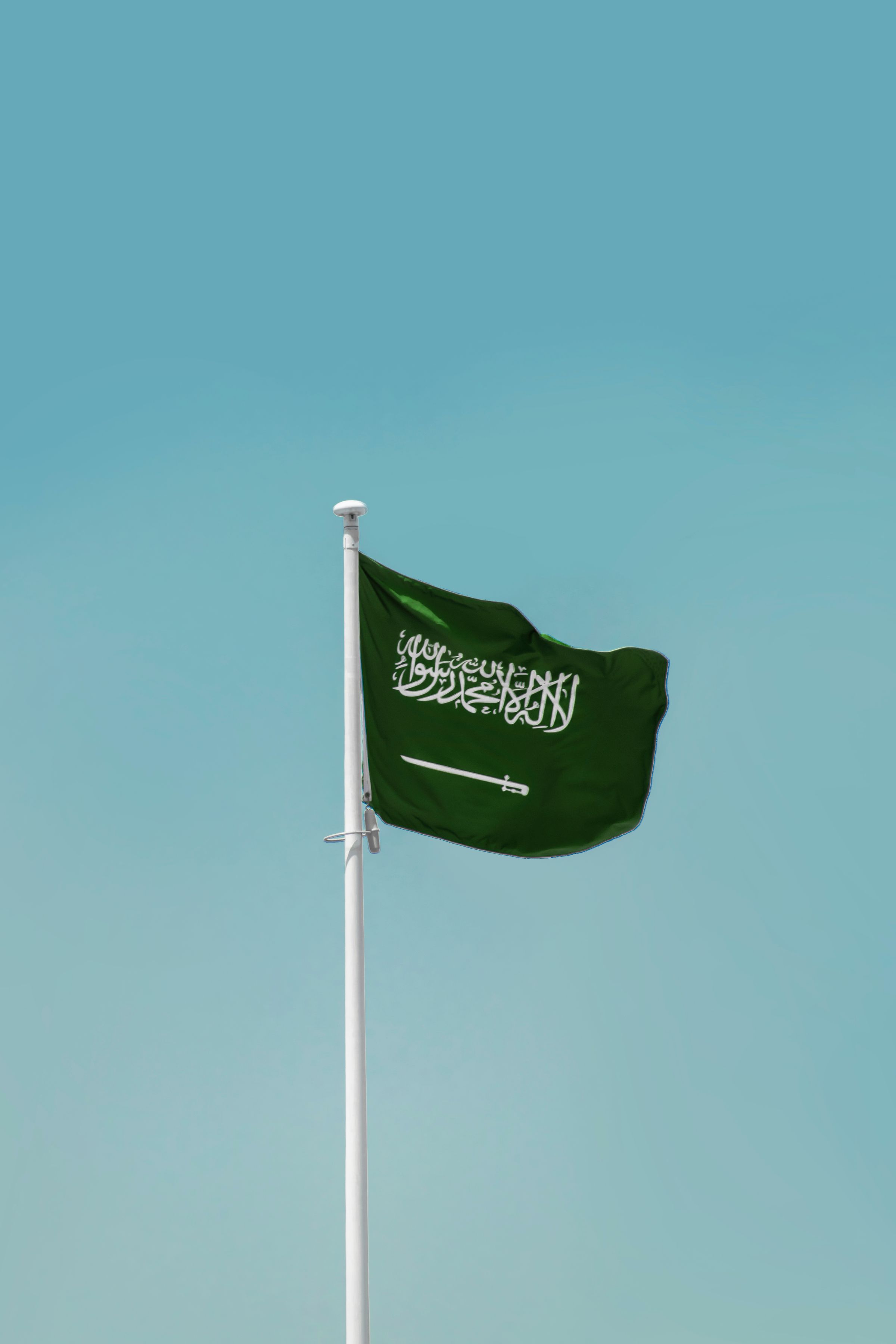
Lavrov Brings Updated Gulf Security Plan to GCC Talks in Bahrain
Moscow presents refreshed security framework asGCC dialogue convenes in Manama
Foreign Minister Sergey Lavrov arrived in Bahrain on Sunday for the ninth ministerial meeting of the Russia-GCC Strategic Dialogue, carrying an updated concept for collective security in the Gulf and a message that Russia backs Gulf Cooperation Council efforts to keep the Middle East from sliding back into full-scale war.
The proposal is not new in origin. Earlier versions, Lavrov noted, have circulated through political, academic, and expert circles across GCC member states for decades. The core operating principle he framed is that the countries bordering the Gulf themselves should hold the decisive say over how security in the region is arranged.
The mechanism relies on direct dialogue among the Gulf states and their neighbors, with Iraq and Jordan named among those he called to the table. Outside actors, in his formulation, would play a supporting rather than determining role. “Our concept is aimed at this, and, as you are aware, we propose involving actors from outside the region in creating such conditions, including the leadership of the League of Arab States and the Organization of Islamic Cooperation, as well as, should you be interested, the permanent members of the UN Security Council, to help bolster this process,” he said.
Meanwhile, the working relationship behind the concept is one Moscow measures in concrete terms. Lavrov characterized ties with GCC member states as a foreign policy priority for Russia, pointing to expanding economic cooperation and a steady rhythm of high-level contacts. The numbers he offered were specific: trade turnover between Russia and the GCC rose 45% last year, and cooperation continues under a joint action plan running from 2023 through 2028.
The link between commerce and calm was one Lavrov drew explicitly. “The effectiveness of our economic cooperation depends to a significant extent on the stability of the region,” he said, tying economic outcomes directly to whether the security environment holds.
The strategic dialogue itself, in his telling, functions as the working platform for all of it: a venue where regional and international questions are discussed and where trade, economic, cultural, and humanitarian ties are widened. As reporting carried by Anadolu Ajansi (https://www.aa.com.tr/en/eurasia/moscow-says-it-backs-gcc-efforts-to-prevent-return-to-full-scale-war-in-middle-east/4092642) indicates, the ministerial meeting in Bahrain served as the setting for both the security proposal and the assessment of economic delivery.
Taken together, the message from Moscow was one of continuity on paper and pragmatism in practice: a decades-old security concept refreshed for presentation, an economic partnership with measurable growth behind it, and a stated preference for the Gulf’s own governments to lead the effort to prevent any return to full-scale war. Whether the updated concept moves from presentation to implementation across the Gulf’s capitals remains the open question.
Q&A
Where and when did the ninth ministerial meeting of the Russia-GCC Strategic Dialogue take place?
It took place in Bahrain, where Russian Foreign Minister Sergey Lavrov arrived on Sunday for the meeting.
What mechanism does the updated security concept propose for Gulf security?
It relies on direct dialogue among the Gulf states and their neighbors, with Iraq and Jordan named to the table, while outside actors such as the League of Arab States, the Organization of Islamic Cooperation, and permanent UN Security Council members would play a supporting rather than determining role.
What measurable economic delivery figures did Moscow cite?
Trade turnover between Russia and the GCC rose 45% last year, with cooperation continuing under a joint action plan running from 2023 through 2028.
What remains the open question about the security proposal?
Whether the updated concept moves from presentation to implementation across the Gulf's capitals.