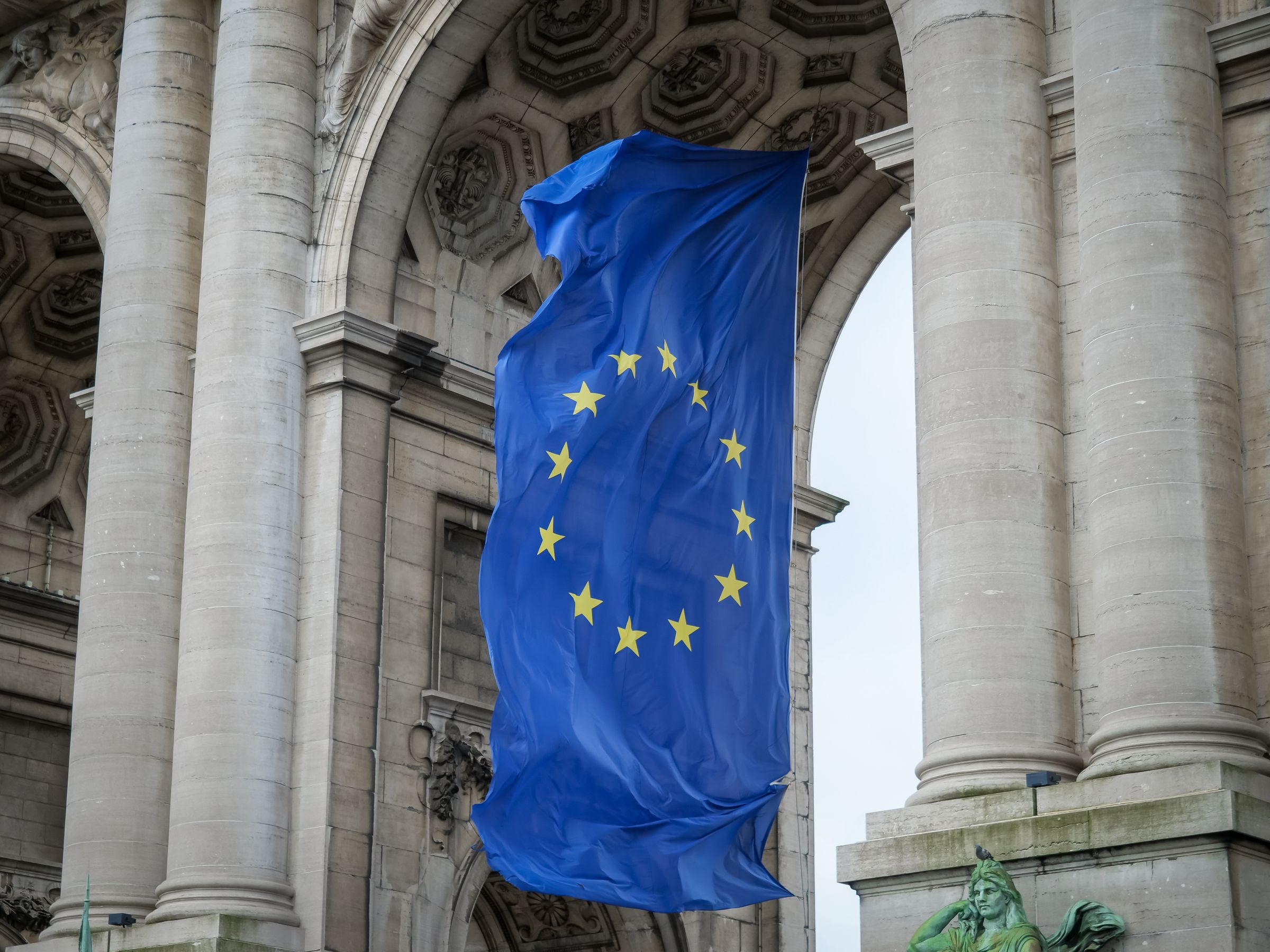
EU Delays Gulf Summit as Houthi Attacks Test Security Call
Brussels and Gulf bloc shelve October meeting after airport attack
The European Union’s decision to postpone its summit with Gulf states, scheduled for October 24 in Saudi Arabia, has raised questions about how the bloc weighs security conditions against its diplomatic commitments. The announcement, made in Brussels on Thursday, followed an escalation in attacks claimed by Yemen’s Iran-aligned Houthis that has heightened security concerns across the kingdom.
Jassim Mohammed Al-Budaiwi, Secretary General of the Cooperation Council for the Arab States of the Gulf, confirmed the postponement separately. In a statement, he framed the decision around the continued Houthi attempts to target Saudi Arabia and its civilian infrastructure, which he said “threatens the security and safety of innocent civilians.”
Neither side disclosed an official reason. Both indicated a new date will be provided later. According to Al-Budaiwi, the two blocs agreed to work toward “creating the appropriate conditions for holding the summit, in a way that serves their long-term goals of strengthening and completing the cooperation process in many areas between the member states of the two organizations, and in a way that achieves growth and prosperity for their countries and peoples.”
For the EU, the timing carries institutional weight. The bloc had partly intended the gathering to demonstrate solidarity with Gulf states and Saudi Arabia amid the war, and its choice to scrap the event underlines how serious the situation has become. The immediate trigger was an attack last weekend on Riyadh’s international airport, in which 13 people were killed and hundreds wounded. The Houthis claimed responsibility.
The airport, where dignitaries had been expected to land for the summit, remains closed following the attacks, leaving the host country without a functioning venue for the planned gathering of the two blocs’ leaderships.
Despite the postponement, the European Union sought to signal continuity in its policy toward the region. It said it still saw “great strategic importance” in the relationship between the two regions and added that it would remain committed to “deepening” the partnership. That language suggests the delay is being presented as a scheduling and security matter rather than a downgrade of the relationship itself.
What the episode nonetheless exposes is the constraint facing both institutions. A summit designed to project unity between Brussels and the Gulf had to be shelved within days of an attack on the capital’s main airport, and responsibility for setting new conditions now rests with the two blocs’ leaderships. Al-Budaiwi’s statement, along with the EU’s own messaging, points to a shared position: the meeting will proceed only once circumstances allow it to serve the longer-term goals both sides have set for their cooperation.
For now, the summit’s future remains in the hands of officials on both sides, with no new date announced and the security situation in Saudi Arabia unresolved. Further coverage of the region’s diplomatic calendar can be found at https://www.arabnews.com/middle-east/eu-and-gulf-states-postpone-summit-due-in-saudi-arabia-3006485.
Q&A
Why was the EU-Gulf summit postponed?
An escalation in attacks claimed by Yemen's Iran-aligned Houthis, most immediately an attack on Riyadh's international airport that killed 13 people and wounded hundreds, heightened security concerns across the kingdom.
When and where was the summit supposed to take place?
It had been scheduled for October 24 in Saudi Arabia, with dignitaries expected to land at Riyadh's international airport, which remains closed after the attacks.
Did either side give an official reason for the postponement?
Neither side disclosed an official reason; both said a new date will be provided later and agreed to work toward creating appropriate conditions for holding the summit.
How did the EU characterize the future of the partnership?
It said it still saw great strategic importance in the relationship between the two regions and would remain committed to deepening the partnership, framing the delay as a scheduling and security matter rather than a downgrade.