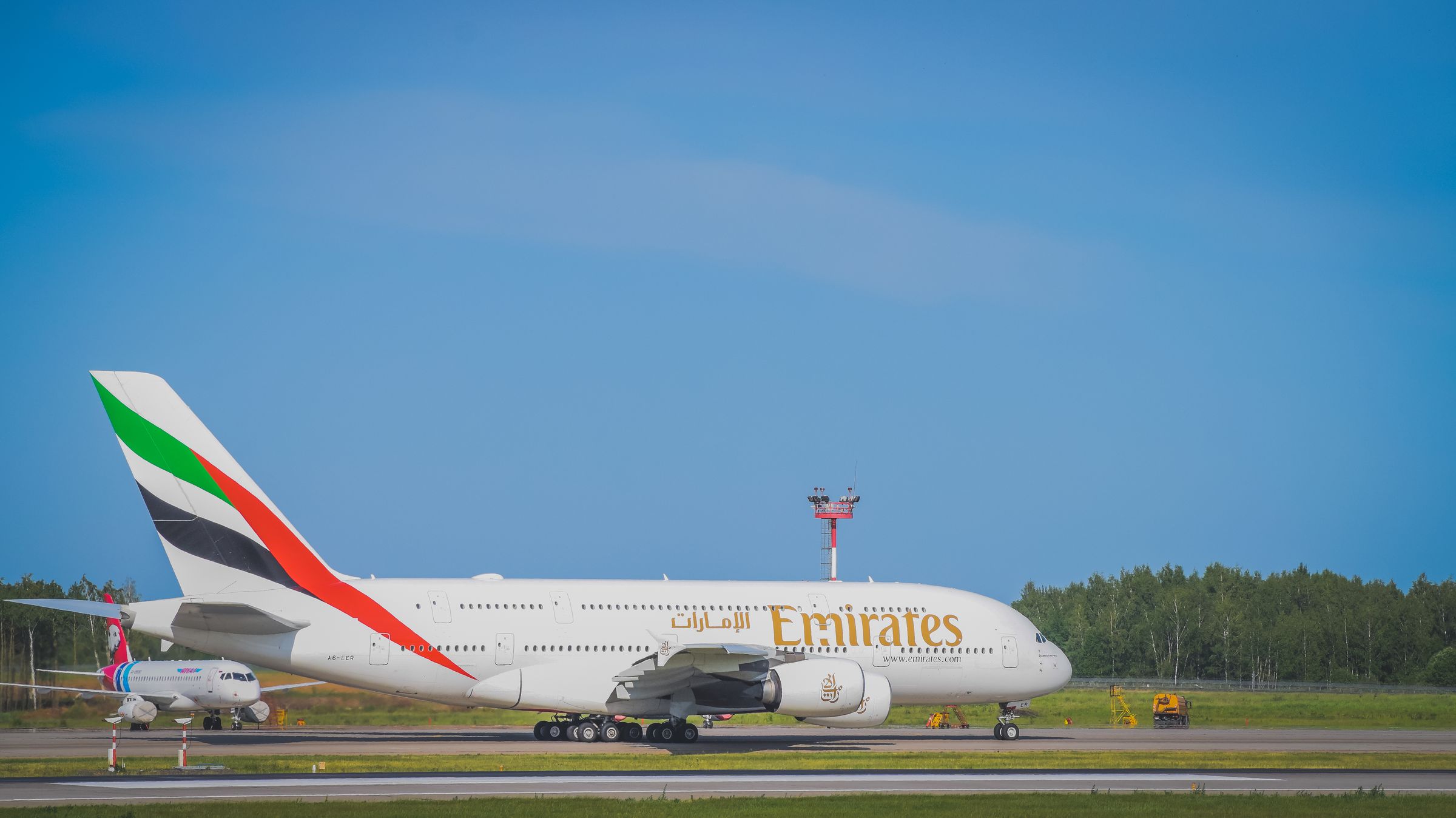
Dubai’s tourism machine is running, and that is the core operational fact for anyone weighing a trip to the Gulf right now. Airspace across the UAE is open. Emirates and Etihad, the largest carriers, have largely resumed their flights to and from the UK, and the UK Foreign Office considers the country, including Dubai and Abu Dhabi, safe to visit. Holidays and transit can go ahead, and travellers’ insurance policies remain valid.
That functioning picture stands in contrast to the situation across the border. Houthi missile attacks on Saudi Arabia have prompted the Foreign Office to advise against all travel to the country’s largest cities and against all but essential travel to most of its airports. The attacks on King Khalid International Airport in Riyadh killed 14 people and wounded hundreds on October 10 and 11, after strikes on October 8 at the same airport facility and on an aircraft on the ground killed three people, including a pilot. King Fahd International Airport in Dammam was also attacked on October 11, though no casualties were reported.
The UAE’s own delivery record during the regional conflict has been patchier than the current open-for-business status suggests. Dubai, Abu Dhabi and the rest of the emirates have felt serious regional heat from the conflict between Israel and Iran as well as from the Houthis, with missile and drone attacks. Luxury hotels, residences and airports have been hit by falling debris. The Foreign Office notes that while secure areas and military facilities have been Iranian targets, civilian infrastructure across the country, including hotels, roads, bridges, airports and institutions, has also come under fire. If tensions escalate quickly and without warning, further disruption is possible.
For British nationals in the UAE, the Foreign Office’s guidance on what to do should hostilities resume is procedural rather than alarmist: follow instructions from local authorities, register their presence with the Foreign Office, and monitor local and international media for updates. The advice for the UAE has not been updated since the attacks on Saudi Arabia. It was relaxed at the end of June, when the warning against all but essential travel, in place since the beginning of the Iran-US conflict at the end of February, was removed.
The Foreign Office does attach common-sense caveats to its all-clear. The situation remains unpredictable, and attacks could resume at short notice. As with most nations in the Gulf, it warns that there is a high threat of terrorist attack globally affecting UK interests and British nationals, and that possible targets may include hotels, beaches, restaurants and shopping centres. Britons are also told not to post any critical material online, including video and social media posts that portray the government or the UAE negatively, as doing so is illegal.
The practical consequences for travellers who have already booked are concrete. Anyone with an upcoming package holiday, a combination of flights and accommodation bought from a tour operator with Atol protection, booked to Dubai or any of the other emirates (Abu Dhabi, Ras al Khaimah, Sharjah, Ajman, Umm Al Quwain and Fujairah) is no longer eligible for a full refund, now that the advice against all but essential travel has been removed. Concerned travellers should contact their tour operator or travel agent.
On the ground, the mechanics of a visit are unchanged. Free tourist visas are issued to British passport holders on arrival in Dubai, applied as a stamp in the passport by immigration officials, valid for up to 90 days over a 180-day period counted from first entry. Passports must have at least six months remaining after arrival. Travellers who have previously visited Israel can enter as normal provided they do not intend to work; those planning to work may face further checks and possible denial of entry.
Everyday rules also apply. Tourists can drink in licensed venues such as hotels, restaurants and pubs, and need a liquor licence, obtainable temporarily with a passport and entry stamp, to buy alcohol from the two main chains in Dubai. Same-sex sexual activity is illegal, same-sex marriages are not recognised, and there have been reports of punishment, particularly where there is a public element, though the Foreign Office notes the UAE is in many respects a tolerant society and private life is respected. Laws around sex outside marriage changed in 2020: non-Muslim unmarried couples of the opposite sex can now legally cohabit and share a hotel room, and consensual sex between non-Muslim unmarried adults is legal provided both are single; a couple breaks the law if one is married and their spouse files a criminal complaint. The law against sex with a minor under 18 is strictly enforced. Public displays of affection are frowned upon, even in liberal Dubai, and women should dress modestly in public areas such as shopping malls and parks, covering the top of the arms and legs, with swimwear acceptable only at the beach or pool.
The overall picture for implementers and operators in the UAE’s visitor economy is one of resumed service under a watchful eye. More than 19.5 million people visited Dubai in 2025, drawn by its skyscrapers, beaches and luxury hotels, and the city’s location across the Gulf from Iran means it remains exposed to any fast-moving deterioration. The Foreign Office’s message is that the machinery of a Dubai holiday works today, but travellers should be prepared for disruption if the political situation worsens.