For millions of people who live, travel and do business across the Gulf, the question hanging over the region this week is deceptively simple: is the war moving toward an end, or toward another escalation? The answer matters most not in negotiating rooms but in airport terminals, shipping lanes and the daily routines of ordinary residents, and right now the picture holds both reassurance and warning.
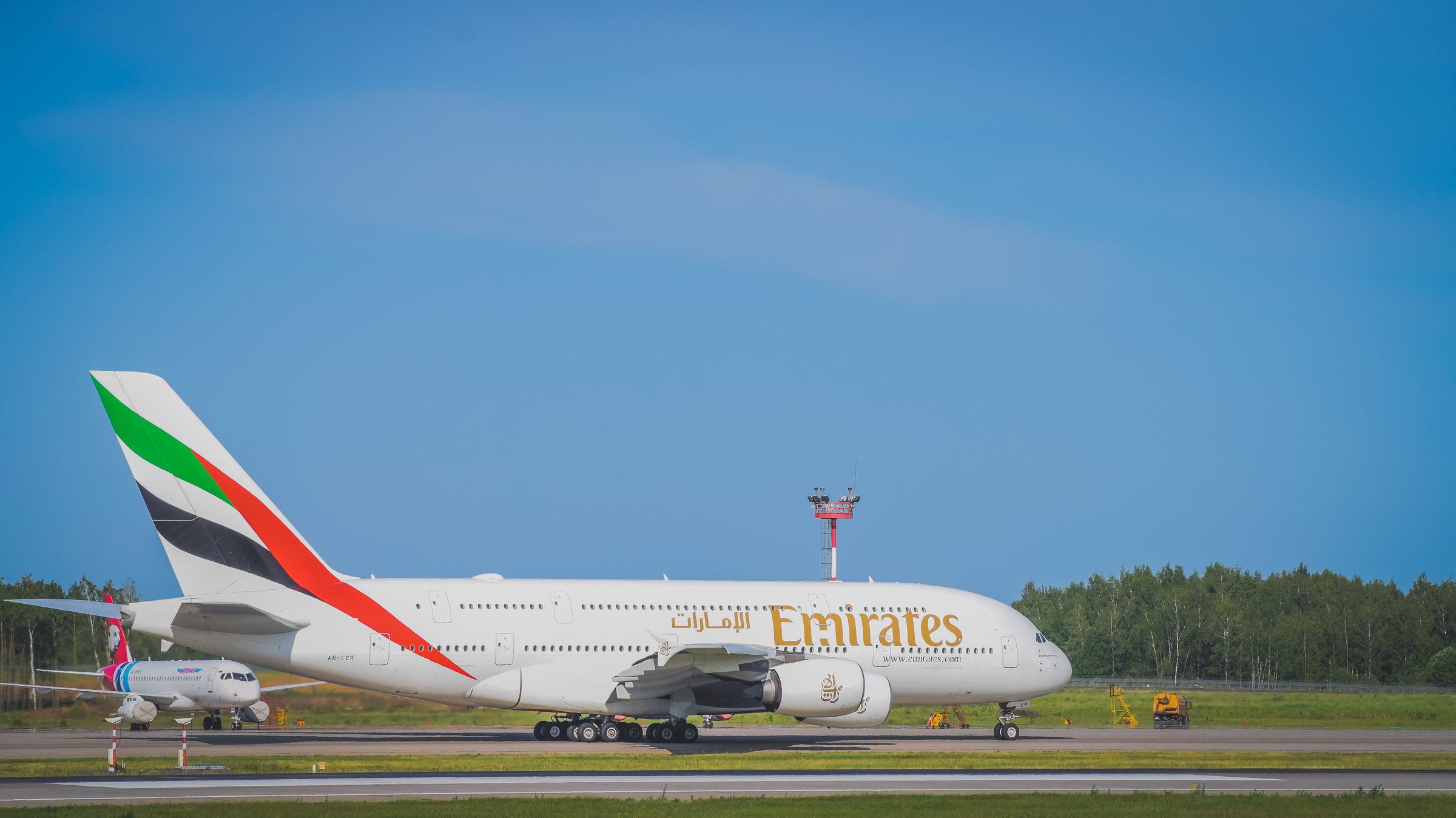
The most immediate public-facing news concerns the skies. The UAE’s airspace is open again and airport operations have rebounded, with Dubai International Airport running at 100% capacity, led by a recovery in transfer traffic. Saudi routes are resuming, though only partly. Emirates plans to return to Jeddah on Oct. 30, with Riyadh and Dammam following on Nov. 8, while flydubai intends to resume Riyadh, Dammam and Abha from Oct. 30. Etihad, however, has cancelled all Abu Dhabi flights to Riyadh and Dammam through Nov. 5, along with four Jeddah services, EY601 to EY604, and further changes remain possible.
Travelers are being urged to double-check before setting out, and for good reason. As of Oct. 29, none of the Oct. 30 return flights had actually operated, and there are discrepancies between what appears on Dubai airport’s arrivals board and what airlines list on their own pages, with some Emirates flights shown as cancelled by the airport but scheduled by the carrier. The advice from officials and coverage alike is to verify directly with the airline and follow official UAE channels. Emirates’ codeshare operations with flydubai to and from Tel Aviv remain suspended until further notice after the Sept. 30 security incident involving flydubai flight FZ1073. Flights by Iranian airlines to and from the UAE also remain suspended.
At sea, the safety picture is one of contested claims. CentCom has rejected the IRGC’s account of commercial ships striking mines, saying the primary transit lanes remain “cleared.” The latest daily coverage reports no new air-defence incidents inside the country, a small but meaningful marker of calm for residents.
Behind these practical realities sits a diplomatic opening that could shape the region’s future. US Vice President JD Vance has reportedly offered to meet Mohsen Rezaei, secretary of Iran’s Supreme National Security Council, to discuss a negotiated settlement to the war. According to reporting referenced at https://gulfnews.com/uae/us-israel-iran-standoff-vance-wants-to-meet-rezaei-could-war-end-soon-1.500729343, the proposal, as per the Washington Post, is unconfirmed, and no deal has been announced, according to London-based Iran International. The Post said the Trump administration views Rezaei, a former IRGC commander, as the essential point of contact in Tehran and the only person who could build a consensus behind an agreement to halt Iran’s nuclear program.
If talks proceed, Istanbul or Doha are cited as likely venues. The New York Times reported that officials on both sides said talks could begin as early as next week in Qatar or Turkey, if Tehran agrees. Tasnim reported that Iran had received a letter from Vance, sent last week through Qatari mediators, but had not yet responded. That letter focused on both countries’ national interests and stressed that preventing an Iranian nuclear weapon is Washington’s central goal. Iran’s parliament speaker and top negotiator said progress depends on Tehran’s seven conditions being met.
The stakes of this diplomacy are underscored by military movements. US officials warned regional allies on Thursday, Oct. 29, to prepare for possible strikes on Iran after the Nov. 3 midterm elections, and for potential Iranian retaliation, though two diplomats stressed that President Donald Trump had not made a final decision. The third carrier strike group, USS Theodore Roosevelt, is reportedly moving toward the region, expected to arrive with the 13th Marine Expeditionary Unit by the end of November. The Nimitz-class, nuclear-powered carrier is accompanied by several ships, and a separate amphibious group carrying more than 2,000 Marines has also departed. The Roosevelt will join the USS George H.W. Bush, deployed since April, and the USS George Washington, which arrived in August to replace the USS Abraham Lincoln.
US senior envoy Tom Barrack has credited Qatar and Pakistan with helping bring Washington and Tehran closer to renewed diplomacy, urging both sides to pause hostilities before tensions escalate further. Speaking to CNN on Thursday, Oct. 29, he said regional allies had helped create an opening for the two sides to agree on a process for de-escalation. “Let’s have a time out, bring temperatures down,” he said, describing the two sides as “very close” to that initial understanding.
Meanwhile, the Houthis in Yemen are sustaining their military operations, including attacks on Saudi Arabia and threats to Red Sea shipping, through a financial network estimated at approximately $2.5 billion annually. The money trail includes Iranian support, taxes and customs duties, business control, oil smuggling, financial networks and strategic territorial control along Yemen’s Red Sea coastline, particularly around Hodeidah.
The regional security situation remains fluid. For the public, the practical guidance stands: if you are flying, verify your flight directly with the airline and follow official UAE channels, because the difference between a reopened route and a cancelled one is currently measured in days, not weeks.